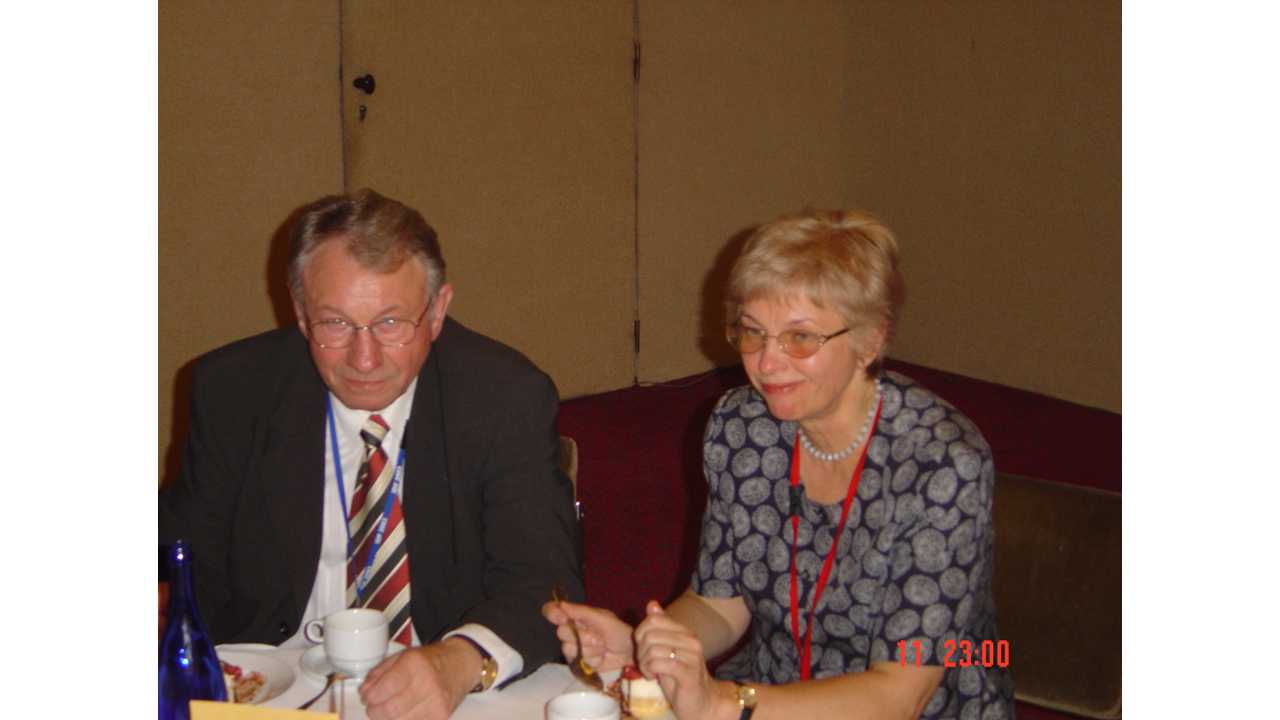
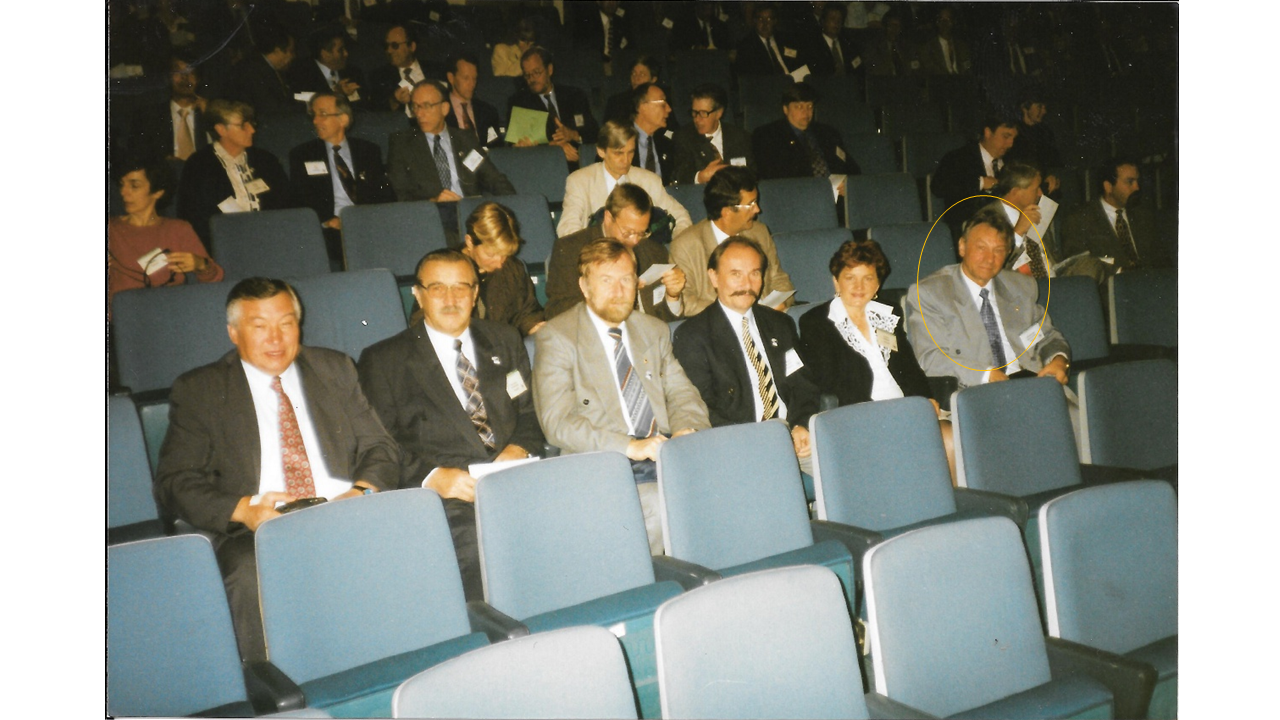
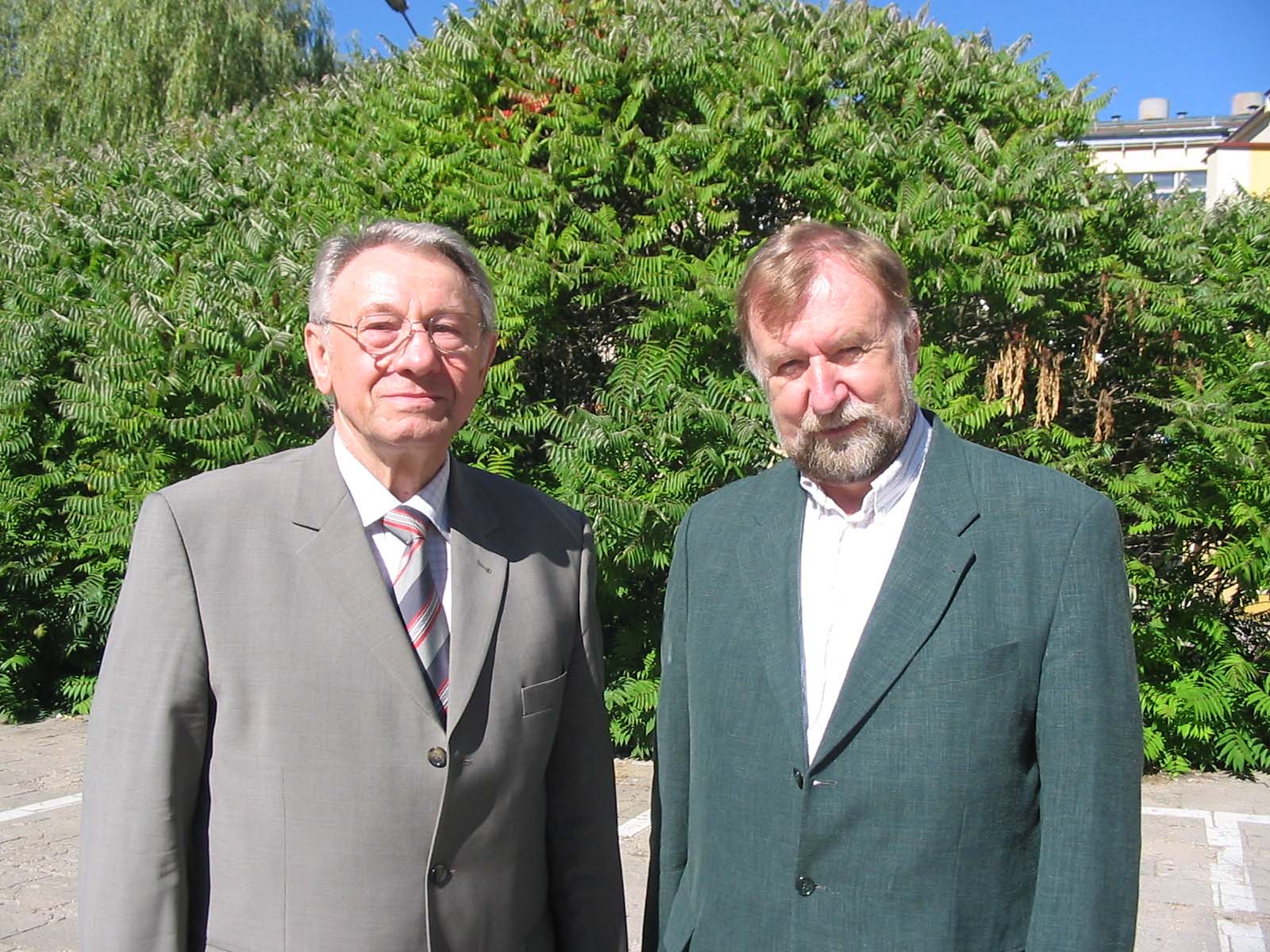
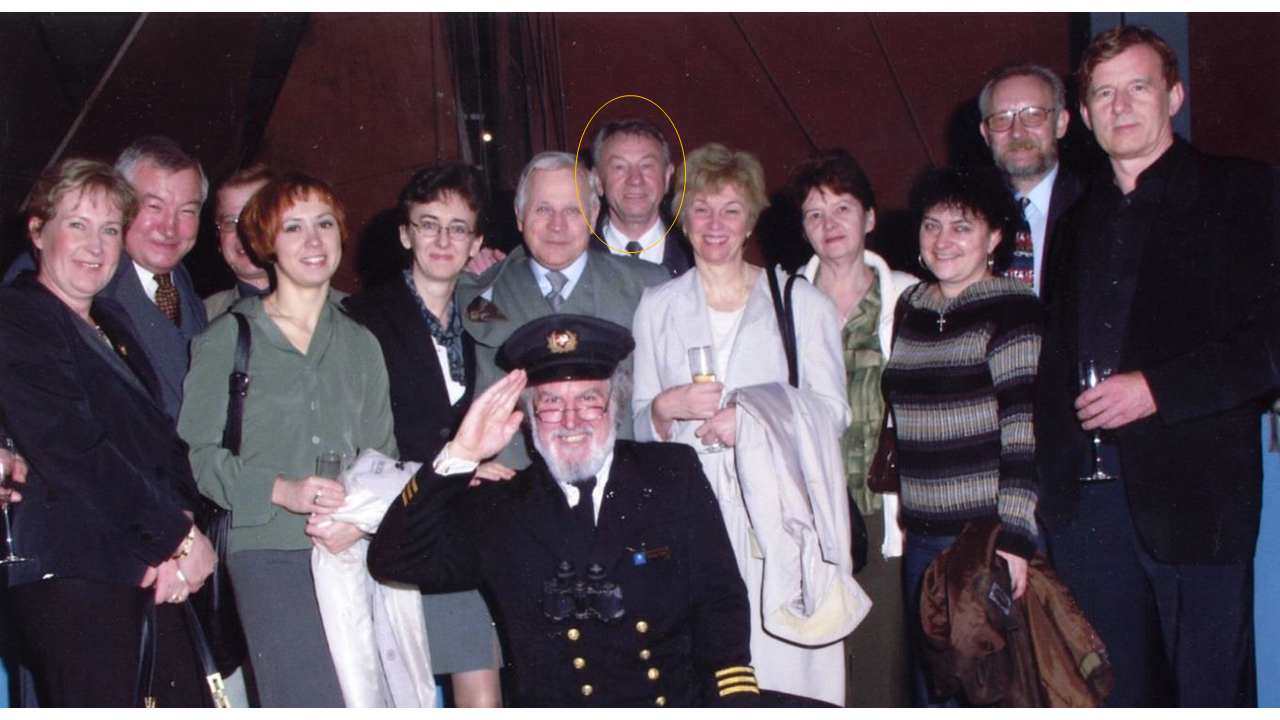
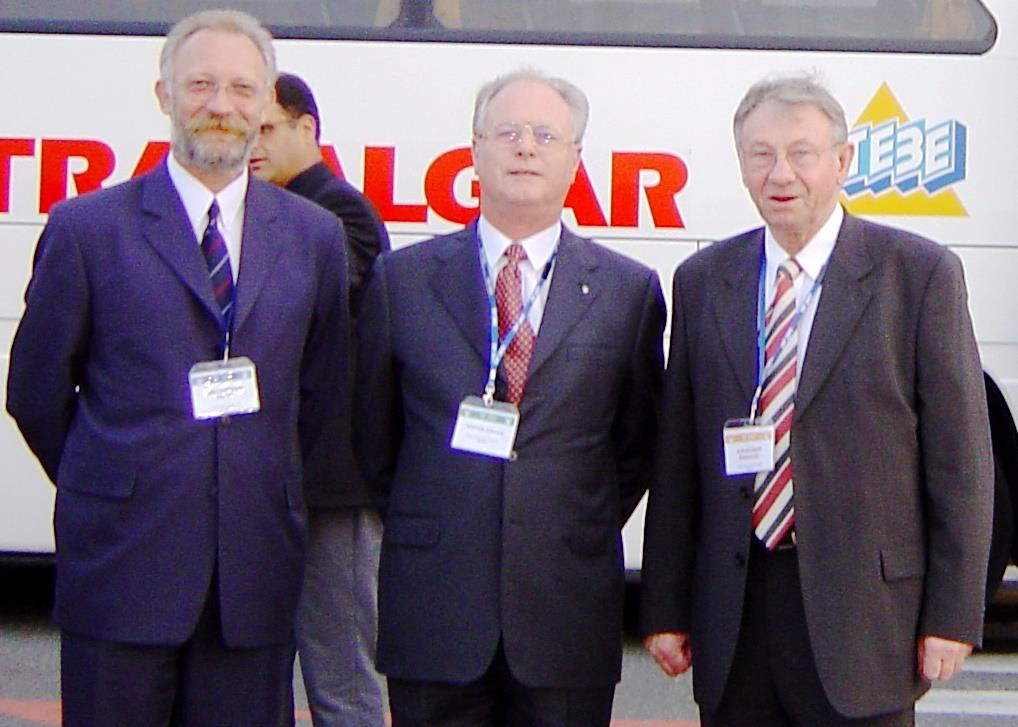
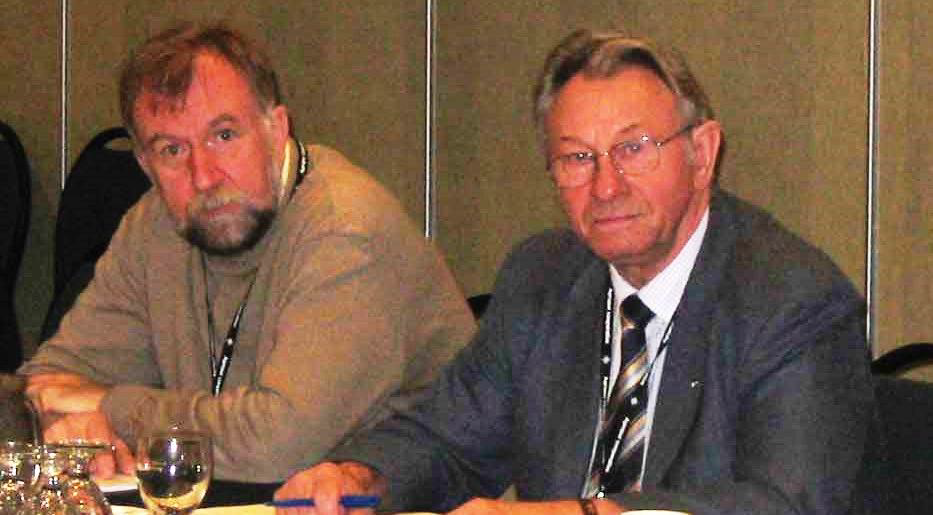
On September 23, 2025, Dr. Aleksander Surażyński, Prof. UWM, passed away. On this day, a Giant of Polish dairying departed from us, someone whom we can place in the same ranks as figures like Professors Eugeniusz Pijanowski and Stefan Poznański. However, while the first two were known worldwide mainly for their publications, Dr. Aleksander Surażyński was renowned not only for his publications and patents, but above all for his active contributions to the development of dairying domestically and across four continents.
And yet, things did not have to turn out this way. He was born in 1935 in the village of Podwysokie near Suwałki. He completed primary and secondary school in Suwałki, and then set out into the world to pursue further education. Yet dairying was not his original dream. He wanted to enter maritime academy, and then the polytechnic. In all the universities he applied to, he passed the exams with flying colors; however, he was not admitted because of his social origin. As the son of a kulak—politically “unreliable”, arrested shortly after the end of the war and deported deep into the Soviet Union, from where he returned in the mid-1950s—he could not be admitted to higher education. But in Olsztyn, at the Higher School of Agriculture, fortune smiled upon him. Thanks to the steadfast stance of Prof. Halina Karnicka, he was admitted to the Faculty of Dairy Science. His subsequent path at the university is well-known: he received his dairy engineer degree in 1957, and immediately upon receiving his engineering diploma, he took up professional work at the Dairy Plant in Bartoszyce, Olsztyn Voivodeship, as head of the laboratory. At the beginning of the 1957/1958 school year, he became a vocational teacher at the Dairy Technical School and Basic Dairy Vocational School in Września, Poznań Voivodeship, and in 1959 he became a teacher of vocational subjects. Concurrently, he began his master's thesis in Olsztyn, completing it at the Faculty of Agriculture in Poznań in 1961. In 1962, Dr. Aleksander Surażyński took up a post at the Faculty of Dairy Science in Olsztyn.
From the very beginning, he was extraordinarily industrious and proactive, resulting in his rapid development. He earned his doctorate in 1967, and as early as 1972, he won a competition for an FAO expert post at the Universidad Austral de Chile in Valdivia, Chile, and left with his Family to see the world. Dr. Aleksander Surażyński always emphasized the importance of Family in his growth and career. He used to say that without the support of his wife Anna and daughters Ewa and Agnieszka, he would not have achieved any of this. He was immensely proud of them, as well as of his grandchildren. Supported by his Family, for 20 years, with only minor interruptions, he trained personnel for the dairy sector in Chile, Colombia, and India.
After a year of work in Chile, he was entrusted with the duties of Acting Project Manager for the FAO project, and the Senate of the Universidad Austral de Chile awarded him the title of “profesor huésped” /visiting professor/.
In 1974, FAO Headquarters in Rome appointed him head of the international project of the Instituto Tecnológico de la Leche at Universidad Austral de Chile. Between 1974 and 1975, as part of the FAO project's cooperation at Universidad Austral de Chile with Latin American countries, he participated in seminars and specialized courses organized by FAO and universities in Brazil (Universidad Federal de Minas Gerais in Belo Horizonte and Universidade Federal de Santa Maria in Santa Maria), as well as in Argentina, Uruguay, and Peru, which were jointly organized by FAO and the Ministries of Agriculture of these countries.
From 1975 to 1978, he worked as an FAO expert and profesor huésped at Colombia's largest university (Universidad Nacional de Colombia) in Bogotá, where he organized the Dairy Section with an Experimental Dairy Plant at the Instituto de Ciencia y Tecnología de Alimentos.
Towards the end of his work at the Universidad Nacional de Colombia, he participated in the International Cheese Seminar in Milwaukee, Wisconsin, USA, organized in 1978 on the occasion of the centenary of Chr. Hansen’s Laboratory, Inc.
In 1979, FAO Headquarters in Rome entrusted him with leading applied research and implementation in the world's largest FAO dairy project, known as Operation Flood I and II, at the National Dairy Development Board (NDDB) in Anand, India, where he established NDDB's new research and implementation unit, the Applied Research and Development Division.
His organizational, research, and implementation activities from 1979 to 1982 played a pivotal role in accelerating a new era in the development of Indian dairying through the development of new processes and technological lines for manufacturing traditional Indian dairy products in modern processing plants.
Between 1983 and 1985, he continued research and implementation work at NDDB, Anand, conducting four consultative missions spanning a total duration of 11 months. During this period, under his leadership, new methods for the production of Rasogolla as well as Khoa- and Peda-type products, Cheese Spread, and Processed Cheese Spread from buffalo milk were developed and tested on a pilot-plant scale.
During his many years of work abroad, Dr. Aleksander Surażyński founded and expanded research institutes, academic departments, and production plants. He modified existing indigenous technologies and adapted them to the requirements of industrial manufacturing processes, as well as implemented new ones.
He was so adept at this that the International Dairy Federation commissioned him to prepare the Bulletin on Original Asian Dairy Products and to chair a session on this subject during the FIL/IDF Congress in Shanghai.
Given his vast professional knowledge, ability to work across diverse cultural environments, and skill in collaborating with people of diverse social and cultural backgrounds, in 1987 FAO offered him a mission related to dairy development in Eswatini (Swaziland). In 1992, he was appointed by the headquarters of the United Nations Drug Control Programme in Vienna and COWI Consult from Copenhagen to participate for a period of three weeks in an international mission of experts aimed at examining alternative development opportunities for the region of Bolivia where large-scale coca bush cultivation was taking place.
Yet developing countries were not the only ones to benefit from his knowledge. He also delivered lecture series and training programs in the USA, Spain, and individual guest lectures in several other countries.
Upon returning to Poland in 1988, he was appointed to the post of contract professor and entrusted with the duties of professor at the Institute of Dairy Technology within the Faculty of Food Technology at AR-T (Academy of Agriculture and Technology) in Olsztyn. He actively engaged in the activities of the faculty and university. The experience gained during his work abroad, especially conducting teaching, research, and implementation under Dairy Pilot Plant (Planta Piloto de Leche) conditions, allowed him to actively participate in launching teaching and research operations in the new Prof. Stefan Poznański Experimental Hall at the Institute of Dairy Technology of AR-T in Olsztyn.
His return to Poland coincided with unfolding political and economic transformations. He recognized that without structural reforms in the dairy industry, there was a real risk of it being taken over by foreign entities. Existing domestic and international structures and connections were collapsing. He decided to actively counteract this by serving on various government working groups dealing with dairy affairs. As part of delegations from the Ministry of Agriculture, he took part in study visits to Austria, France, and Denmark. This resulted, among other achievements, in securing the first government funds to sustain the operations of dairy processing plants and establishing provisions in pre-accession programs.
From 1986 to 1989, he served as a member of the Scientific Council at the Research and Development Centre for Dairy Machinery /OSRAM/ in Warsaw, and from 1986 to 1989 was also a member of the Scientific Council at the Board of the Central Union of Dairy Cooperatives /CZSML/ in Warsaw. He was likewise Chairman of the Supervisory Board of OBRAM-DAIRY.
Dr. Aleksander Surażyński actively participated in establishing the National Association of Dairymen and the National Dairy Commission, which later transformed into the Polish National Committee of FIL/IDF, with Dr. Aleksander Surażyński becoming its first president. This made it possible for Poland to re-enter the international dairy structures. This was no easy task, as our country had exited this organization burdened with debts; yet thanks to his efforts, these debts were largely forgiven. He was widely recognized in global dairying; he had friends and colleagues everywhere, and his name “opened many doors.” For this reason, FIL/IDF entrusted him with a series of challenging initiatives, which he accomplished with great success, such as integrating Ukraine into FIL/IDF and strengthening ties with South American nations. Yet despite being offered high-profile and influential positions in international dairy leadership, he declined, preferring to focus on the advancement of domestic dairying.
While working at the university, he introduced a series of innovative solutions and products to the industry, which led to UWM's very high standing in rankings of university-industry collaboration. This resulted in introducing numerous new technologies into dairy processing plants and bringing new products to the market, the most renowned of which are the Sourage and Grani cheeses.
Dr. Aleksander Surażyński recognized very early on that the future trajectory of the dairy industry would be linked to health-promoting milk components and energy-efficient zero-waste technologies. In his view, although milk may appear superficially uniform, it is in fact highly diverse. The same holds true for dairy products. What seems like the same product, when produced in different regions of the world using different raw materials and distinct technologies, possesses an array of unique characteristics. Hence arose his quest to identify essential health-promoting components in milk and dairy products and his efforts to enhance their levels—favoring nutritional strategies over supplementation—while concurrently participating in initiatives to define individual dairy products. In discussions at the FIL/IDF forum, he championed a broad yet reasonably precise definition of individual dairy products based on essential technological characteristics, rather than the broad, open-ended definitions favored by legal draftsmen, which he argued would dilute the defining traits of authentic products.
Similarly, as head of the international cooperation department at UWM, he expanded the university's partnerships with foreign academic institutions, promoting exchange visits for faculty and students within existing exchange frameworks, which positioned the university highly in international cooperation rankings.
He played an active role in assisting Mr. Edmund Borawski, President of the MLEKPOL Dairy Cooperative, in organizing the Scientific Council of the Dairy Industry Innovation Institute, believing that given its stature in global dairying, Poland could not do without such a research and development institution, and he served as Vice Chairman of the Scientific Council.
He also worked actively in charitable organizations. He was a founding member of the Olsztyn Lions Club International and was, among other accomplishments, one of the organizers of a major shipment of rehabilitation equipment from Iceland for the Children's Hospital in Olsztyn.
His scientific, research, design, and implementation achievements comprise a total of more than 250 items (not including the commercial rollout of new products), consisting, among others, of 45 scientific dissertations, studies, and monographs, 60 industry reports and design projects, 10 patents, 12 patent claims, 4 inventive designs, 22 industrial production implementations, and 76 rollouts of new products.
As part of his educational and pedagogical work, he supervised 36 master's theses, including 6 conducted abroad.
He was the recipient of numerous state, ministerial, and industry honors and awards, both domestic and foreign, including the Knight's Cross of the Order of Polonia Restituta, the Gold Cross of Merit, an Honorary Distinction from the National Dairy Development Board, Anand, India, Diploma de Honor from Sociedad Lechera Nacional, Santiago de Chile, Chile, and the IDF Award 2019.
It is difficult to enumerate all of his contributions to all of us across the various spheres of his activity. With the passage of time, we will feel ever more deeply whom we have lost. But, as Horace wrote: Non Omnis Moriar. Indeed, he will live on in our memory—as a person and through his accomplishments.